Wool comforters blend natural warmth with temperature regulation, making them a versatile choice for varying climates and sleep preferences. Wool fibers wick moisture, provide breathable insulation, and adapt to body heat for consistent warmth without overheating. This category examines how material grade, loft, and weave influence comfort and durability.
Key characteristics of wool comforters include fiber origin, micron count, and fill weight, all of which impact warmth-to-weight efficiency. Higher loft blankets trap more air for insulation, while finer wool offers a lighter feel suitable for transitional seasons. Understanding these factors helps identify bedding that supports restful, breathable sleep.
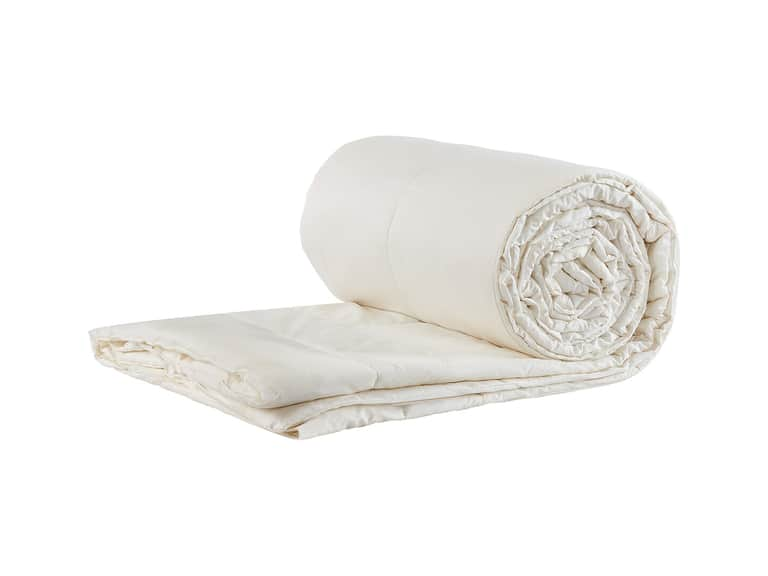
Product highlights such as Sleep and Beyond and myComforter illustrate varied wool constructions, from all-wool fills to mixed fabrics with cotton casings. Functional benefits often include natural hypoallergenic properties, odor resistance, and resilience against compression, contributing to long-term comfort and ease of care.
For people with sensitivities or climate-driven needs, wool comforters synergize with other bedding materials like organic mattresses and natural latex to create a balanced sleep system. Layering techniques, appropriate duvet weights, and seasonal adjustments are practical considerations discussed alongside wool's temperature-regulating behavior in year-round use.
This category emphasizes the educational aspects of selecting wool comforters, including care guidelines, warranty expectations, and material specifications. By comparing fill power, fabric finishes, and construction quality, readers gain insight into how wool comforters support targeted wellness goals and comfortable, uninterrupted sleep.
 Bedding