Sleep Comfort · Bedding Guide
How Latex Mattress Toppers Change Support, Pressure Relief, and Bed Feel
A latex topper can transform the first impression of a bed: its surface may feel softer, more buoyant, or more forgiving beneath the shoulders and hips. But the deeper support still comes from the mattress underneath. Thickness, firmness, body shape, sleep position, and mattress condition all influence what changes—and what cannot.
Published October 30, 2026
A mattress is not a single, unchanging plane. It is a small landscape of materials that compress and rebound as a sleeper moves across it. The top few inches influence the first sensation of comfort; the layers below help determine how the body is held over the night. A latex mattress topper adds another terrain layer to that landscape. It can soften the surface, cushion pressure points, and alter the bed’s responsiveness without replacing the mattress itself.
That distinction matters. A topper can refine a mattress that is basically sound, much as a thin layer of soil can change the feel of a trail without changing the rock beneath it. It cannot restore a worn-out support core, lift a deep sag, or correct a base that no longer holds the body level. Choosing well begins with understanding the separate roles of surface comfort and underlying support.
What a latex topper changes first
Latex is known for a buoyant, responsive feel. Under pressure, it compresses and then pushes back relatively quickly. That response distinguishes it from materials that mold more slowly or allow the body to sink more deeply before recovering. The result is often described as springy, lifted, or gently conforming: the surface yields where the body presses, yet remains ready to rebound as the sleeper changes position.
When placed on a firm mattress, a latex topper can add cushioning between the sleeper and the mattress’s harder surface. That may help reduce concentrated pressure at the hips, shoulders, or other prominent points. The topper can also make the bed feel more forgiving without creating the sensation of sinking far into the material. How pronounced that change feels depends chiefly on the topper’s thickness and firmness, along with the sleeper’s weight and shape.
A topper does not simply make every bed “softer” in the same way. A thin, firm layer may subtly change the surface while preserving much of the mattress’s original character. A thicker or softer layer can produce a more noticeable shift, allowing more compression beneath the body. Even then, the mattress underneath remains part of the experience: it determines how far the combined layers can compress and how the body is supported below the topper.
Support and pressure relief are related, but not identical
In everyday conversation, support and softness are often treated as opposites. In practice, a comfortable bed needs to manage both. Pressure relief describes how well the surface accommodates areas where the body presses most strongly against the bed. Support concerns how the mattress system holds the body in a reasonably neutral, comfortable position. A surface can feel soft yet still fail to support well; a firm surface can provide a stable base but feel uncomfortably unyielding to a particular sleeper.
A latex topper primarily adjusts the comfort layer. Its compression can spread some of the load over a broader area, which may reduce the sharp sensation of pressure at the shoulders or hips. At the same time, latex’s responsive feel may help a sleeper move across the surface without the slower, deeper “hug” some other materials produce. These are tendencies, not guarantees: a person’s comfort depends on their body, posture, preferences, and the construction and condition of the mattress.
Think of the mattress and topper as a combined system. If the mattress offers a stable, level foundation, a topper may help tailor the surface to the sleeper. If the mattress has lost its structure, however, adding a comfort layer can conceal the problem briefly without solving it. The body may continue to settle into the same low spots, and the topper may follow the uneven shape beneath it.
Thickness: how far the surface can shift
Latex topper thickness affects the scale of the change. A thinner profile generally provides a more modest adjustment. It may take the edge off a firm feel while allowing the mattress below to remain strongly perceptible. This can suit someone who wants a small comfort refinement rather than a dramatic change to the bed.
A thicker topper places more material between the sleeper and the mattress. It can create a more substantial cushion and may allow greater compression before the sleeper encounters the firmer feel of the underlying mattress. For someone seeking more pressure relief, that added depth can be useful. But greater thickness is not automatically better: a very plush or thick layer may feel unstable to a sleeper who prefers a close-to-the-surface sensation, and it may make the bed feel different in ways that are difficult to predict from a product description alone.
Thickness also interacts with body weight. A lighter sleeper may compress a given topper less than a heavier sleeper, so the same layer can feel firmer or less yielding to one person than another. Body shape and sleep position add further variation. A side sleeper’s shoulder and hip meet the surface differently from the back of a person sleeping on their back. A topper’s depth, therefore, should be considered alongside the sleeper—not as an isolated number.
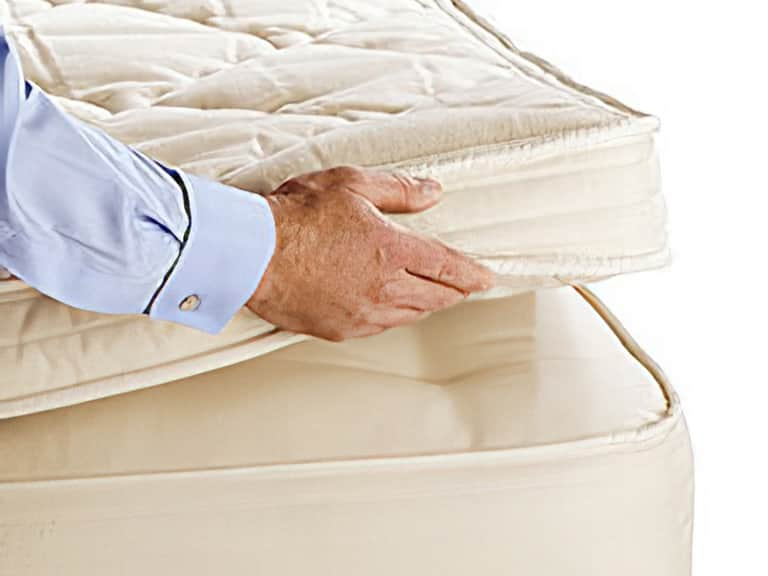
One available example is the Royal-Pedic Natural Latex 4-inch Pillowtop Pad, a substantial latex layer described as offering extra cushioning and pressure relief. Its four-inch profile illustrates how a topper can represent a major change in surface feel rather than a minor finishing touch. The best thickness is still a personal fit question, and a product’s dimensions alone cannot promise a particular result for every sleeper.
Firmness: the character of the yield
Firmness describes how resistant a topper feels when compressed, but the sensation is not determined by a label alone. A firm latex layer may preserve a more elevated, stable feel while offering some give. A softer one can compress more readily beneath the body, potentially increasing cushioning. Yet the mattress beneath it can reinforce or temper that impression.
For a sleeper whose mattress feels too hard, a softer topper may reduce the abruptness of contact and make the surface more accommodating. For someone who likes the mattress’s support but wants a touch more give, a firmer or thinner layer may be a better direction. When the bed already feels too soft, adding another yielding layer is unlikely to make it feel more supportive. In that case, the mattress’s core condition deserves attention before any topper is considered.
Descriptions such as “soft,” “medium,” and “firm” are useful starting points, not universal measurements of comfort. The same topper can feel different on two mattresses, and two sleepers sharing a bed may experience it differently. If possible, check how a topper can be tried or returned, confirm its dimensions and compatibility with the mattress, and consider the combined height of the mattress, topper, and bedding.
Pressure distribution across sleep positions
Sleep position changes where the body places pressure. Side sleepers commonly load the shoulder and hip more directly, while back sleepers may feel pressure around the pelvis or other contact points. Stomach sleepers often prefer a surface that does not let the torso sink excessively. These are broad patterns, not rules: anatomy, posture, and personal comfort differ widely.
A latex topper may help a firm surface accommodate contours more gently. As the material compresses under a shoulder or hip, it can create a less abrupt transition between that area and the rest of the body. Whether the relief is enough depends on the sleeper and the mattress below. A thin layer may not provide the depth someone needs; a very soft layer may change alignment in a way that does not feel comfortable. The aim is not to eliminate every sensation of pressure but to find a surface that feels comfortable while allowing the body to rest without persistent discomfort.
It is also useful to distinguish ordinary comfort concerns from ongoing pain, numbness, or other symptoms. Bedding adjustments are not a diagnosis or treatment for a medical condition. Persistent or worsening symptoms warrant discussion with a qualified health professional rather than relying on a topper to resolve them.
Movement, temperature, and the feeling of the bed
Latex’s quick rebound can influence how easy it feels to change position. Because the material responds as pressure shifts, some sleepers experience less of a slow, enveloping sensation than they do with more slowly conforming surfaces. That may make the bed feel lively or easy to move across. Others may prefer the deeper contouring of a different material. Comfort is not a contest between materials; it is a matter of what the sleeper finds restful.
Temperature is another part of bed feel, though no topper can guarantee a cooler night. Heat and moisture are affected by the whole sleep environment: bedding, room conditions, clothing, the mattress, and individual physiology. Latex’s responsive surface may feel different from dense, slow-conforming cushioning, but breathability and temperature experience vary by design and by person. Consider the topper together with sheets and blankets rather than expecting one layer to control the climate of the bed on its own.
A topper may also alter the height of the bed, the fit of fitted sheets, and the stability of the sleeping surface. Check that the sheet has sufficient pocket depth and that the topper stays aligned with the mattress. A shifting layer can interrupt comfort even when its material and firmness seem appropriate.
When a topper can help—and when it cannot
A latex topper is most likely to be useful when the mattress remains structurally sound but its surface feels too firm, too flat, or insufficiently cushioned for the sleeper’s preference. It can be a way to change the contact layer without replacing the entire mattress. It may also allow a household to experiment with a different feel before making a larger bedding decision.
Warning signs of a deeper mattress problem include a visible dip, persistent unevenness, a damaged foundation, or a sense that the body sinks in a particular area regardless of position. A topper conforms to what lies below it. If that foundation is sagging, the new layer may settle into the depression rather than level it. A topper can refresh surface comfort; it cannot rebuild a compressed or broken support system.
Before purchasing, inspect the mattress and its base. Look for uneven wear, check that the foundation is appropriate for the mattress, and consider whether the bed feels uncomfortable everywhere or only in specific areas. If a mattress is near the end of its useful life, investing in a thick topper may postpone a decision without restoring dependable support.
A practical way to choose
Start by describing the problem in concrete terms. “The bed is uncomfortable” is difficult to translate into a useful choice. “The surface feels hard at my shoulder,” “I want a little more cushioning,” or “I feel as if I sink too far” points toward different questions about firmness and thickness.
- Assess the mattress underneath. Confirm that it is level, stable, and not visibly sagging before changing the comfort layer.
- Identify the direction of change. Decide whether you want more cushioning, a gentler surface, or a smaller adjustment to the current feel.
- Consider thickness and firmness together. Thickness affects how much material separates you from the mattress; firmness affects how readily that material yields.
- Account for your sleep position and body. The pressure points and amount of compression vary from person to person.
- Check fit and care details. Confirm the topper’s dimensions, how it is secured, and the manufacturer’s cleaning instructions.
- Look for a trial or exchange policy. A topper’s feel is difficult to predict from words alone, so clear terms can make an experiment less uncertain.
Give a new sleep surface time to assess, but pay attention to how it feels across more than one night. Notice whether you can settle comfortably, move naturally, and wake without a new pattern of discomfort. If the surface feels worse, do not assume that a thicker layer or extra softness will solve the issue. Revisit the mattress condition and the original goal.
The bottom line
Latex mattress toppers change the surface of a bed through a combination of cushioning and responsive rebound. Their influence on pressure relief and support depends on thickness, firmness, the sleeper’s body and position, and the mattress beneath them. A suitable topper can soften a firm-feeling surface or refresh a mattress that still provides a stable foundation. It cannot repair sagging, replace a failing support core, or guarantee relief for every sleeper.
Think of the topper as an adjustment, not a cure-all. Choose it by matching the layer to a specific comfort goal, and judge it as part of the complete bed. When the mattress is sound and the surface simply needs a different feel, that measured change may be enough to make the night feel more comfortable.